About TranSMKnow
Objectives, methodology, and the collaborative research team working to build circular and sustainable global electronic value chains.
Objectives & Aims
The ultimate objective of the TranSMKnow project is to develop and build a repository of ‘tried and tested’ knowledge transfer tools to incentivise upstream suppliers into adopting sustainable and circular design and manufacture. These tools will be supplemented with a transition maturity assessment scale and model.
Methodology
The TranSMKnow project will be implemented in 3 overlapping and interrelated phases.
Phase One
Phase one involves understanding the dynamics, incentives, obstacles and challenges to ‘environmentally’ driven behavioural change within global and supply chain networks, challenges of knowledge transfer, and diffusion strategies across culturally diverse companies and countries, and the impact of green legislation on global manufacturers.
Supply chain visibility is crucial for understanding the complexity of nodes, tiers, and relationships within any global supply chain. For products with electronics components, such as speakers for audio systems, this involves mapping both upstream suppliers (from raw materials to finished products) and downstream manufacturers (from finished products to individual parts). In this project, the University of Antwerp (UA) harnesses AI solutions, particularly Graph Neural Networks (GNNs), along with descriptive, predictive and prescriptive AI initiatives to significantly enhance this visibility by identifying and mapping the entire supply chain network.
The use of predictive analytics will also be implemented to forecast potential future issues, enabling proactive quality management. By analysing historical data, we seek to predict, via ML’s regression and temporal models, which problems are likely to occur and take preventive measures. For example, if data indicates a rising trend in ‘power source’ related complaints, the company can investigate and address potential causes before they become widespread. This proactive approach not only enhances customer satisfaction but also helps in maintaining the brand's reputation.
Once the focal supply chain structure(s) are mapped, and the complexity of common repair, quality and recyclability issues and problems arising within the focal product(s), are identified, ‘sustainability’ solutions will be developed using design for longevity(DFL) and design for remanufacture ((DFR) principles, all underpinned by Design for disassembly (DFD). AI web scraping techniques will allow us to collect extensive but focused data on actionable sustainable design and manufacturing content, which could include useful images, videos, use cases, maps, text based and verbal material relating to the focal product(s) or similar products.
Phase Two
Phase two involves trialling the training solutions within the manufacturing facilities of a number of electronics companies based in Vietnam. Trialling will be preceded by Inhouse Demonstrations and Workshops, with knowledge transfer enabled by hands on instructions for operatives and learning by doing activity.
Phase Three
The final phase involves evaluating the knowledge transfer and learning (KTL) design through a transition maturity assessment scale and model. The transition maturity assessment scale and model will be constructed around key constructs such as level of worker acceptance/engagement of sustainable process change, degree of potential routinization in work procedures/replacement of older systems, technical capability/infrastructure, skills level, data sensitivity, level of top management commitment, company culture etc. Each level of development will be anchored to specific statements that describe varying degrees of performance in transition maturity. The Transition assessment rating model provides a reference point to the supplier to more accurately assess where they fit on the scale in terms of transition to sustainable practice, address areas for improvement/challenges, and identify a path to further change/transition.
Consortium Research Team

Dr Susan Grant
Principal Investigator
Brunel University, London
Leading the TSMK project with over 20 years of experience in sustainable manufacturing research.

Dr Olinkha Gustafson-Pearce
Advisor
Brunel University, London
Expert in Information Architecture and VRLEs (Virtual Reality Learning Environments)
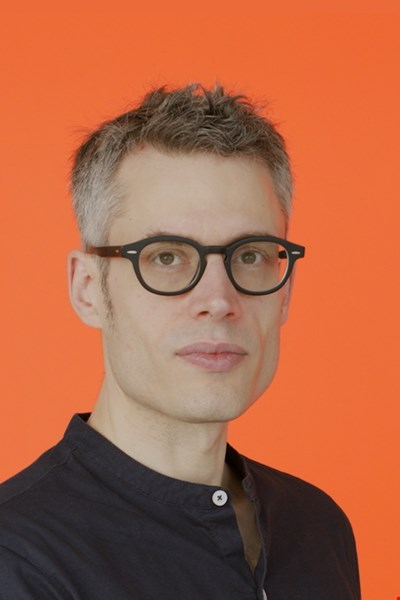
Dr Fabrizio Ceschin
Co-Investigator
Brunel University, London
Specialist in design for sustainability and system innovation.

Maria Leon Aguirre
Co-Investigator
Circularise Den Haag
Leading European Projects, focusing on stakeholder management, and business and strategy analysis.

Teresa Oberhauser
Co-Investigator
Circularise Den Haag
Researching circular economy policies and industry standards.

Dr Binh Do
Co-Investigator
Thuongmai University, Vietnam
Expert in supply chain optimisation and sustainable manufacturing systems.

Nguyen Minh Hang
Co-Investigator
Thuongmai University, Vietnam
Specialising in technical knowledge transfer and SME capacity building.

Cu Nguyen Giap
Co-Investigator
Thuongmai University, Vietnam
Focusing on digital transformation and smart manufacturing technologies.
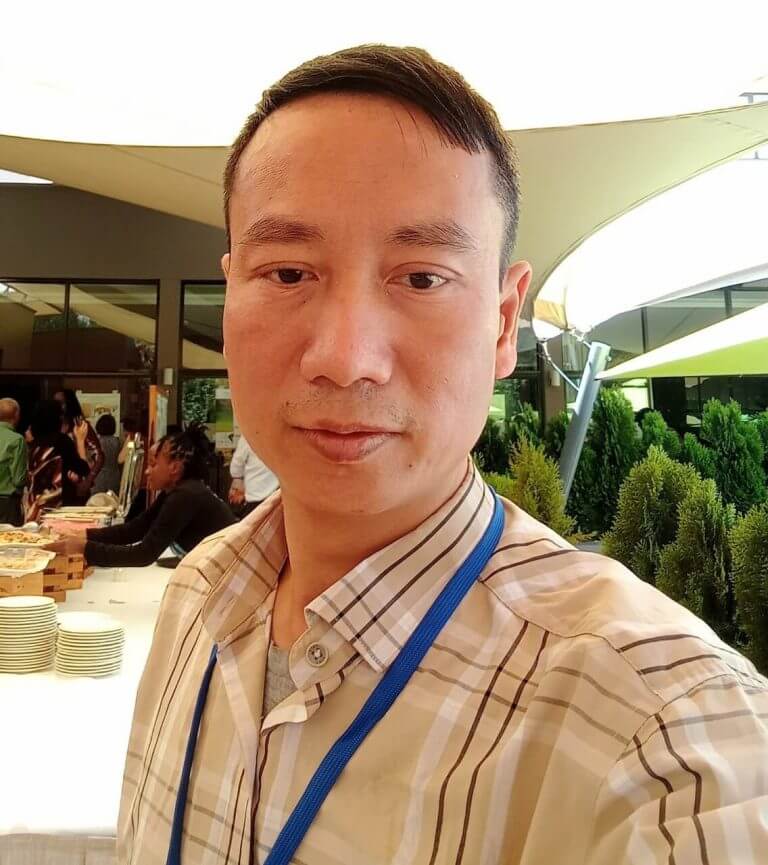
Dr. Hoang Xuan Trung
Co-Investigator
Thuongmai University, Vietnam
Researching life cycle assessment and environmental impact modelling.

Dang Quy Duong
Co-Investigator
Thuongmai University, Vietnam
Expert in materials science and sustainable product design.
Dr Siegfried Mercelis
Co-Investigator
University of Antwerp, Belgium
Collaborate with Us
We are always looking for new partners and researchers to join our mission. Get in touch to learn more about our ongoing projects and opportunities.